This blog is fictional for entertainment and testing purposes. Since the content is made up, please do not take it as real-world fact or advice.
Peat
A scent for slow burning, for the hour after dinner, for the room when it has finally settled
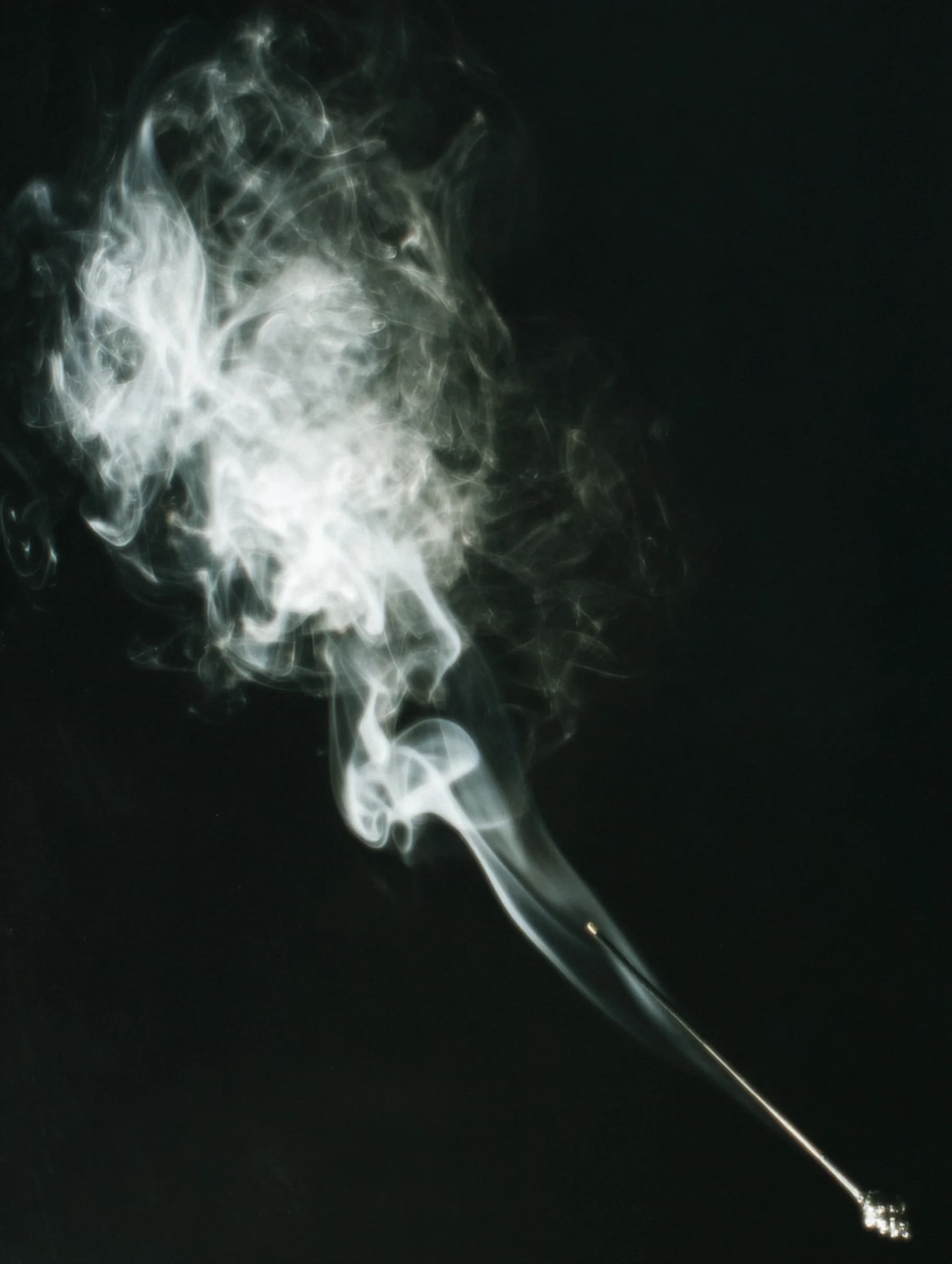
A bog in the west of Ireland holds, by some measures, ten thousand years.
Plant matter falls. It doesn't decay — not fully. The water is too still, too cold, too low in oxygen for ordinary rot. Instead, the layers compress. The ground softens, then thickens. What remains is peat. What it remembers, it keeps.
For most of recorded history on the island, peat was fuel. People cut it from the ground in bricks the length of a forearm, dried it on stone walls through summer, and burned it through winter. The smell of a peat fire is unlike any other domestic smoke. It is smouldering rather than blazing. Slower. Heavier. The earth itself slowly releasing what it has held.
We named the scent Peat because the material is already the story.
What the bog keeps
In Irish folklore, the bog is a threshold. Bodies were laid in it. Offerings were left in it. Coins, weapons, sometimes whole carts. The ground was understood to hold both burial and gift, with no distinction between the two. Lady Gregory, who spent decades collecting the oral traditions of the west, described these places not as gloomy but as attended — listened to.
What the bog keeps, it keeps slowly.
A wooden vessel placed in a peat bog two thousand years ago can be lifted out with the grain still legible. A leather shoe holds its shape. The water in the moss is the same water that fell as rain when the wood was new. Time moves, but the bog does not move at the same speed. It sits underneath the country like an enormous, patient memory.
This is what we wanted to put into the scent.
What is in it
Vetiver, distilled from the long roots of a grass that grows in damp ground. Vetiver smells of root and damp wood and something faintly sweet underneath, the way certain forests smell in late autumn. It is the spine of Peat.
Smoke, but a particular kind of smoke. Not bonfire. Not chimney. The kind of smoke that moves close to the floor — heavier than air, slow to dissipate. The smell of a low fire that has been burning for hours.
And underneath both, the smell of damp earth. Not soil, exactly — soil is alive. This is older than soil. It is what soil becomes after long enough.
The composition is built to release in layers. The first impression is the smoke. After a few minutes, the vetiver. After longer, the earth. The scent does what the material does. It opens slowly.
What it is for
Peat is not a scent for entry. It is a scent for staying.
It is for the hour after dinner, when the dishes are done and the light has gone and the room has finally settled. For the long evening that does not need to become anything. For the time of day when scent stops being decoration and starts being company.
We make four fragrances at Banshee, and each is for a different threshold. Mist is for the doorway. Veil is for the moment before sleep. Lament is for the late, difficult one. Peat is for the hour in the middle — the one that asks for nothing.
The bog keeps. The candle gives back. The smoke between them is the same smoke. Step across.