This blog is fictional for entertainment and testing purposes. Since the content is made up, please do not take it as real-world fact or advice.
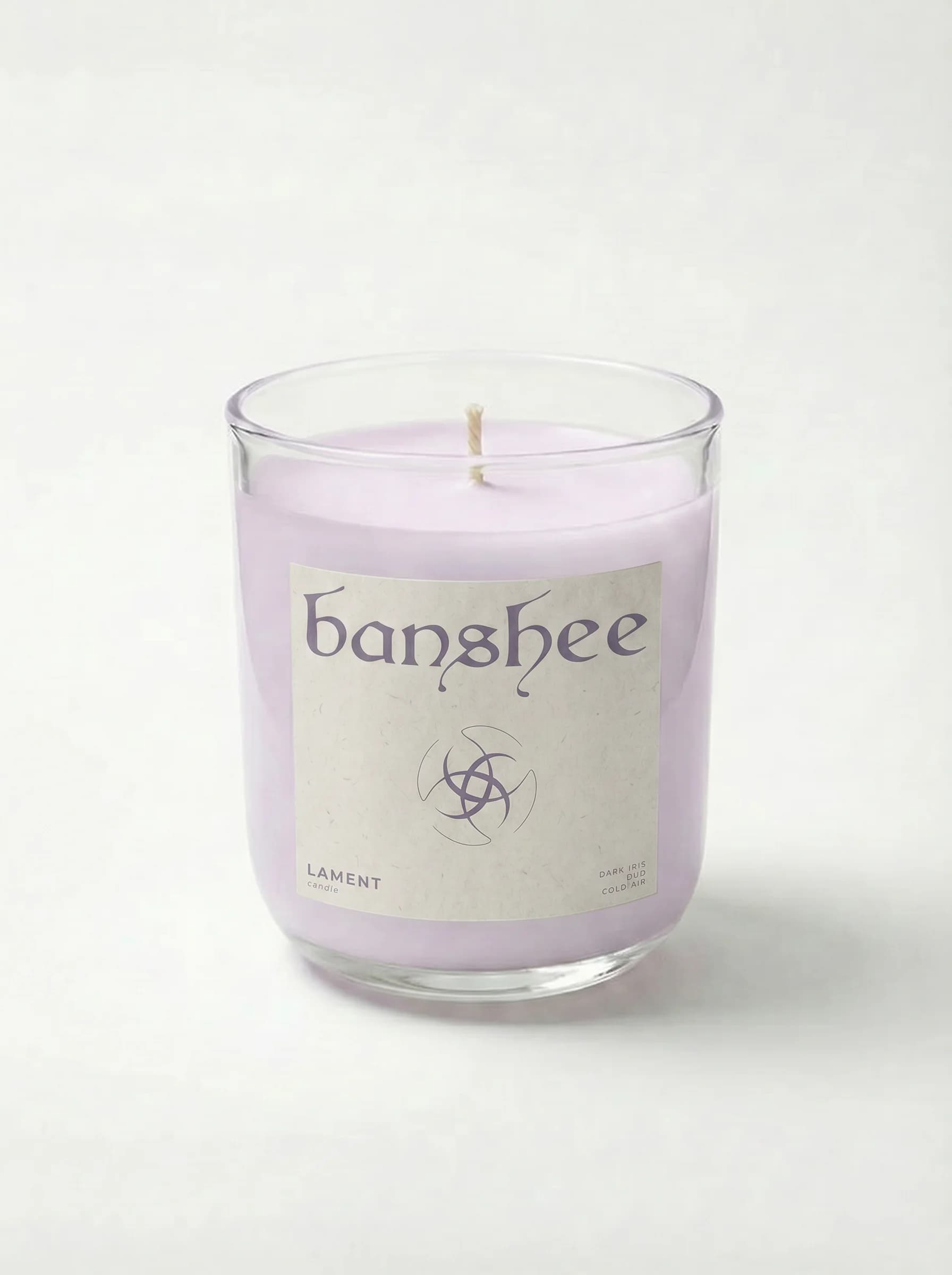
Most candles are made for events.
Dinner. A bath. A holiday. A scent for the morning, a scent for the season, a scent for the moment you want the room to feel like a particular kind of room. The candle is part of an occasion. The occasion is the reason the candle is lit.
We did not make these for occasions.
We made them for the hours that do not have a name.
The hours that do not have a name
There is the hour after you have come home but before you have started the evening. There is the hour after dinner but before bed. There is the hour after you have woken up at three in the morning, when there is nothing to do and no reason to sleep yet, and the house is the only thing in the world that is awake with you.
These are the in-between hours. They are not the day. They are not the night. They are the small interstitial passages that the architecture of a normal life does not have a plan for.
Most people walk through them without noticing. The hours pass, and the next thing happens, and the in-between gets used up by whatever was easiest to fill it with. A phone. A small chore. A scroll. The hours close.
But the in-between hours are, for some people, where the most actual life happens. They are the hours when the day stops asking for performance. They are the hours when the body finally gets to settle into what it has been holding.
What scent does in these hours
Scent works particularly well in the in-between hours because there is nothing else competing for the room.
In the middle of a busy evening, a candle is one of many things happening. It competes with conversation, with cooking, with music, with light. It can be lovely, but it cannot be central.
In the in-between hours, the candle is the only thing happening. The room has gone quiet enough for the scent to be felt directly. The flame is the only motion in the room. The body, which has been ignoring scent all day in favour of more urgent inputs, suddenly has nothing else to attend to.
This is when scent does its real work. Not in the noise. In the quiet that follows.
The four hours we made for
Mist is for the in-between after coming in. The door has closed. The day is still on you. The next thing has not started.
Peat is for the in-between after dinner. The table is mostly cleared. The food is done. The evening, whatever it will be, has not yet decided what it is.
Veil is for the in-between before sleep. The lights are low. The book is finishing or finished. The body is tired but not yet absent.
Lament is for the in-between in the middle of the night. The hour that has shifted into something you did not plan for. The candle for the evening that has run past where the day had ended.
Four hours. Four crossings. Each one a passage the day does not have a script for.
Why this matters
A life made entirely of named hours is a life that has not been examined.
The in-between is where examination happens. It is where you notice what kind of day you actually had. It is where the body tells you what it has been carrying. It is where the small important thoughts arrive, the ones that do not arrive in meetings.
A candle for the in-between hour is a way of saying: this hour is also real. It is not waste. It is not the gap between things. It is one of the things.
We made four because there are four. We do not have a candle for the named hours. The named hours have other candles. The in-between has us.
The in-between has us.