This blog is fictional for entertainment and testing purposes. Since the content is made up, please do not take it as real-world fact or advice.
Keening: A Short History of Celtic Mourning Sound
On caoineadh, the sound grief was given permission to make
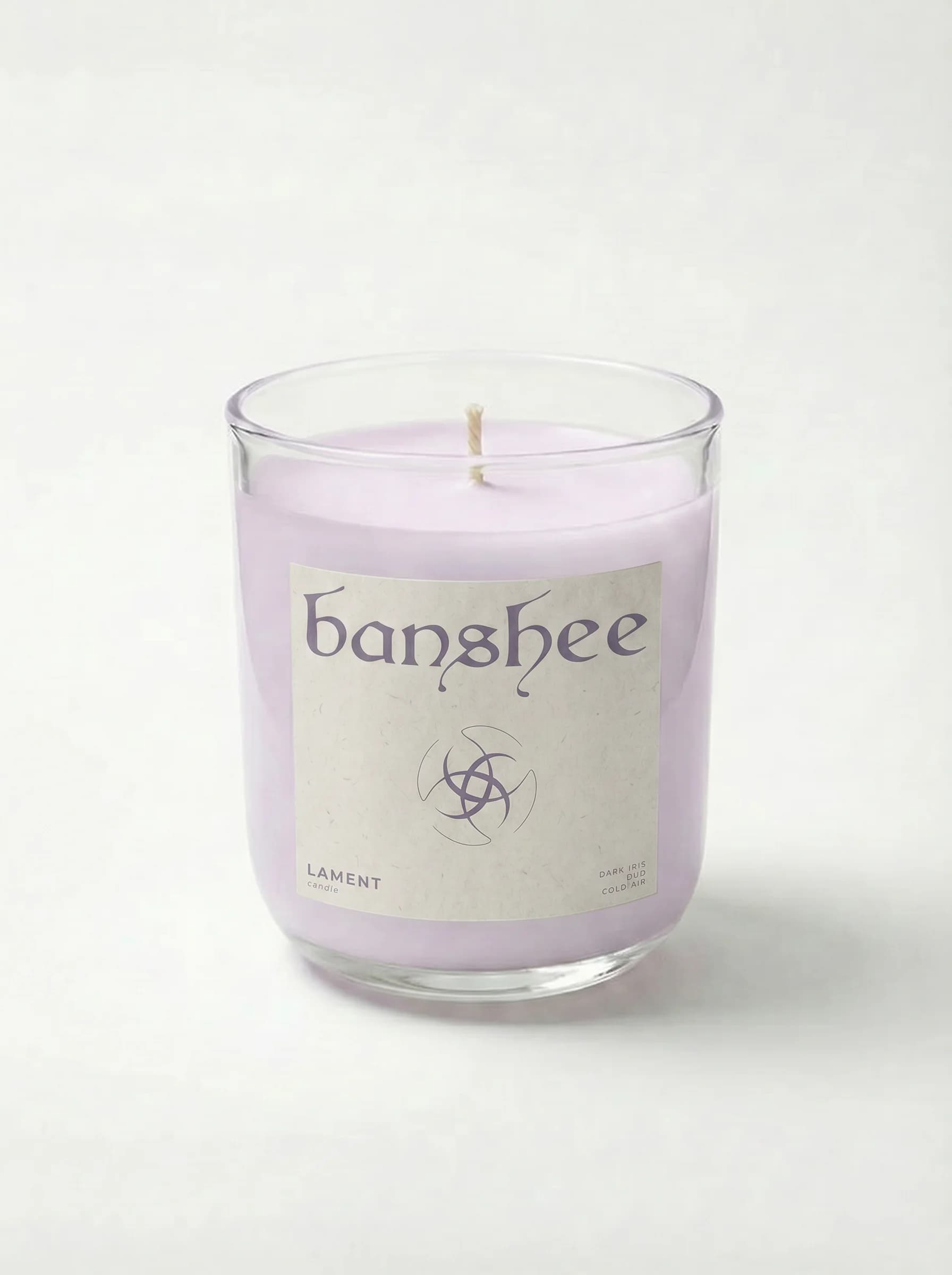
There was a sound that women made at Irish wakes, and the English language has almost no word for it.
Caoineadh, in Irish. From the verb caoin, to weep. The Anglicized form is keening, and the act is sometimes translated as a lament — but a lament is a composition, and the keening was something less arranged. It was a vocal practice, sung or half-sung over the body of the dead, often by a specific woman in the community who was known to do it.
The keen was not music in the way music is now organized.
It was sound that grief had been given permission to make.
What the keen was for
The keen had several functions, layered.
It marked the death publicly. In a small community, the sound of a keen carrying from a house was how the village learned that someone had died. The keening woman was the announcement, before anything else.
It held space for the family. The keen gave the people in the house something to hear other than their own silence. It filled the hours when there was nothing to say. A house with a keening woman in it was not a quiet house — it was a house in which the silence was being kept at bay until the family was strong enough to bear it.
It was a passage rite for the one who had died. In the older belief, the keen helped the soul cross. Whether the belief is held now or not, the function remained: the sound was for the dead as much as for the living.
The keening woman was sometimes paid in food or small coin. She did the work the family was not in a state to do. She lent her voice to a sorrow that was not hers, so that the sorrow could be heard.
How it faded
The keen was discouraged by the Catholic Church over centuries. Synods condemned it. Priests preached against it. The argument was that the keen was excessive, unseemly for a Christian funeral, too close to older practices the Church had been working to displace.
The argument was partially true and entirely beside the point.
The keen was older than the Church in Ireland. It was a practice that had survived the long Christianisation of the country by hiding inside the wake — a domestic ritual the Church could not fully control. Under sustained pressure, the keen retreated. By the late nineteenth century it had largely disappeared from the public funeral. By the mid-twentieth century, in most places, it was gone.
What survived was the word, a small number of recordings, and a few scattered women who could still do it when asked.
Why it matters now
The keen is gone, and the gap it left is real.
Most modern grief practice in the English-speaking world is private. It is held inside the family, inside the body, often inside the silence of a person who has not been given permission to make any sound at all. The funeral is brief, the wake is quieter than it used to be, and the long work of mourning is left to the bereaved alone.
The keen was a way of saying that grief was bigger than one person, and that the community had a duty to lend voice to it.
We are not proposing to bring it back. The cultural conditions for the keen no longer exist. But what it represented — the idea that grief should be held in shared sound, that the room should be made loud enough for the silence to be bearable — that idea has not stopped being true.
The candle is a smaller version of the same thing
When you light a candle for someone, you are doing in a private room what the keen did in the public one.
You are giving the grief a marker. You are making the room into something other than empty air. You are not bringing the person back — the keen did not do that either. You are making the absence present in the room as a small held flame.
The keen was the loud version. The candle is the quiet one.
Both are ways of saying: this loss has been seen.
Veil is the closest scent in our line to the keen — the room thinned out, the air made into something other than ordinary air, the hour given a different texture so the grief has somewhere to sit. Peat is the longer companion, the candle for the years after, the ordinary Tuesday when the person comes to mind for no reason.
Neither candle replaces the keen.
Nothing replaces the keen.
But the gesture, kept in a private room, is older than the silence that has settled where the sound used to be.