This blog is fictional for entertainment and testing purposes. Since the content is made up, please do not take it as real-world fact or advice.
On Naming a Candle After a Death Spirit
On the name, the figure, and the territory the candles serve
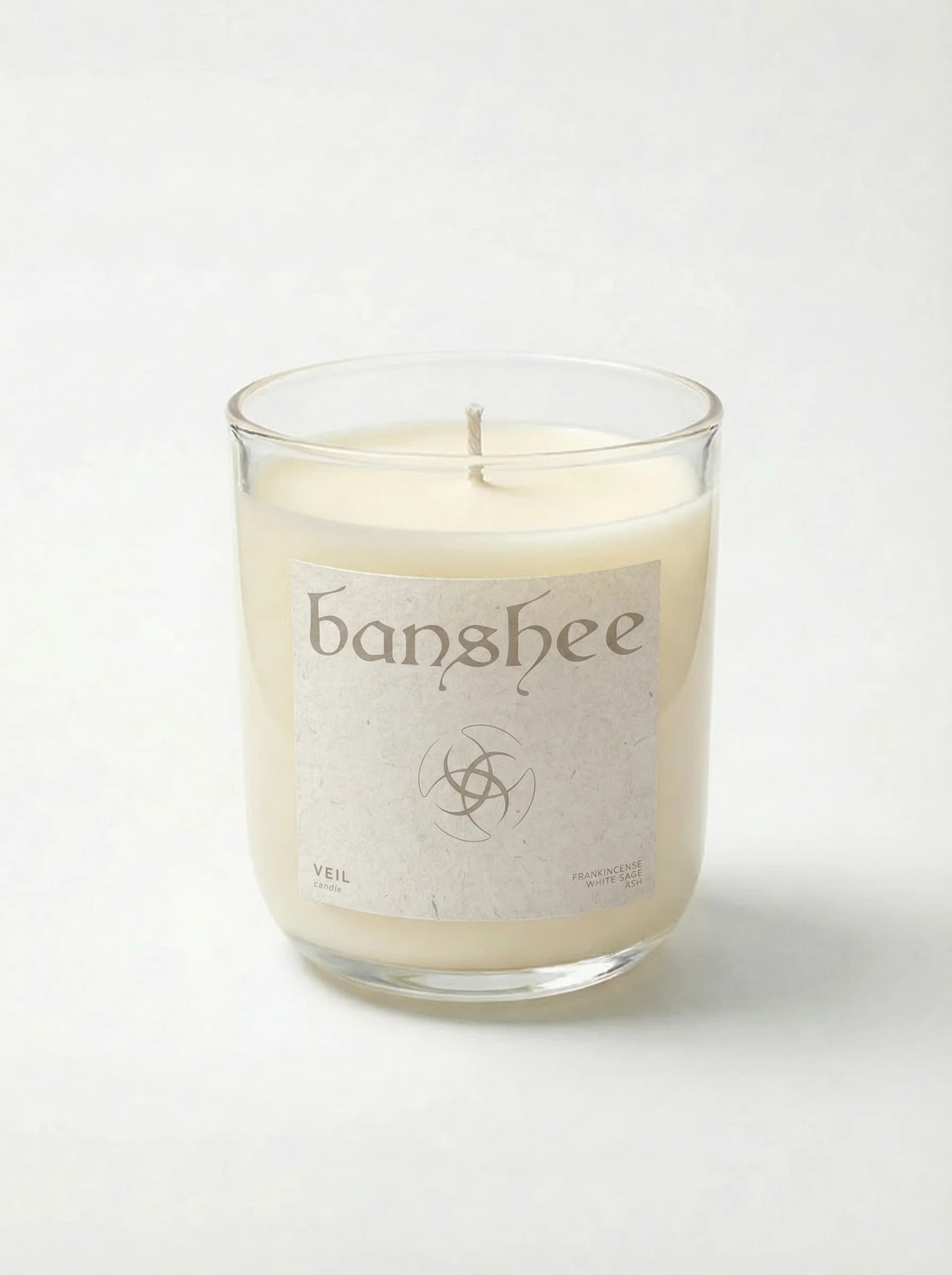
There is a fair question we have been asked, in different forms, since the line launched.
Why name a candle brand after a figure associated with death?
The question is reasonable. Death is the subject most consumer brands work hardest to avoid. The fragrance category in particular has historically built itself on the opposite — on lift, beauty, glamour, escape. A brand whose name carries an association with mortality is, by category convention, doing something unusual.
This is the honest answer to the question.
What the banshee actually is
The banshee, in Irish folklore, is not death.
She is a figure who appears before a death, and her function is to announce it. She is, in the strict sense, a herald rather than a force. She does not cause what is coming. She makes sure it does not arrive without warning.
This is a distinction that matters. Death is the event. The banshee is the figure who marks the threshold the event is about to cross. She is closer in role to the priest who rings the bell than to the thing the bell is rung for.
We named the brand after the figure who marks thresholds, not after the threshold she marks.
Why this is the right name for what we make
The Banshee line is about thresholds.
Not only the largest threshold a person crosses. The smaller, more frequent ones. The hour when the day ends. The hour before sleep. The hour after dinner. The hour you wake at three. These are all crossings, in their domestic register, and the candle is a way of marking each one.
The figure who, in the folklore we drew on, is associated with marking the crossing of a threshold gave us the closest available name. Calling the brand something else — something abstract, something Latin, something safely vague — would have been less accurate.
The accuracy was the priority. The discomfort some people have with the name is a real cost, and we have accepted it.
On not being decorative about death
There is a way of using death imagery that is decorative.
It uses the visual and verbal language of mortality for atmospheric effect, without engaging with the actual subject. The skull as graphic motif. The candle in a vaguely gothic vessel. The brand voice that hints at darkness without ever saying anything serious about it. This is, at this point, a recognizable category — death as aesthetic, with the actual weight of the subject removed.
We have tried not to do this.
The candles in the line do real work for grief. Lament was made with acute grief in mind. Peat is the candle for the long sorrow that follows. The two of them, used together by someone going through a loss, are not decorative objects. They are functional tools for a serious kind of attention.
The name we took is from a tradition that takes death seriously. The candles we make are built to take it seriously too.
What we are not claiming
We are not claiming to be an Irish brand in any deep sense. We are not claiming to have been raised in the tradition. We are not claiming to speak for it. We are not selling the banshee — the figure is older than us, and is not ours to sell.
We are using the figure's name as a description of the territory our candles serve. We are doing this with what we hope is appropriate care.
If you are from a family or community for whom the banshee is part of living tradition rather than folkloric reference, and the use of the name lands wrong, we want to know. The line will adjust before it will refuse to hear.
This is the most we can say honestly.
On gifts and the name
The name does, occasionally, complicate the line as a gift.
A candle from a brand called Banshee is not a casual hostess gift. It does not work for the friend's housewarming where you do not know the friend's relationship to mourning, ritual, or quiet evenings. It does not work for the colleague at the office holiday exchange.
It works for specific recipients. The friend who has been through a season. The person whose home is genuinely contemplative. The friend who has lost someone and would be glad of a small object built for the hour they are now in. The person who keeps the cross-quarters or any version of an old seasonal practice. The reader. The one who sits alone in the evening and is good at it.
For these recipients, the name is part of why the gift works. They will recognize that the candle was named for the territory they actually live in, rather than for a register that flatters but does not describe.
If you are not sure whether your recipient is one of these people, the candle is probably not the right gift. The recipients who want what we make are usually identifiable. They will have already mentioned, in some indirect way, the kind of attention these candles support.
What the name is doing for us
The name is a filter, more than anything.
It selects, on first encounter, for the people we made the candles for. The buyer who finds the name off-putting is probably not the buyer who would have been at home in our line. The buyer who finds the name accurate is usually the buyer whose home has already been waiting for what we make.
This means the brand grows more slowly than it would with a softer name. We accept this. The alternative — a vague Latinate brand name that admits anyone, including people who would not have been served by the line — would have been a misuse of the figure and an inefficient use of the buyer's attention.
The name says what the candles are for. The candles do what the name promises.
This is the contract.
Whether you accept it is, fairly, up to you.