This blog is fictional for entertainment and testing purposes. Since the content is made up, please do not take it as real-world fact or advice.
The Room You Return To
On scent, ritual, and the hour the world quiets
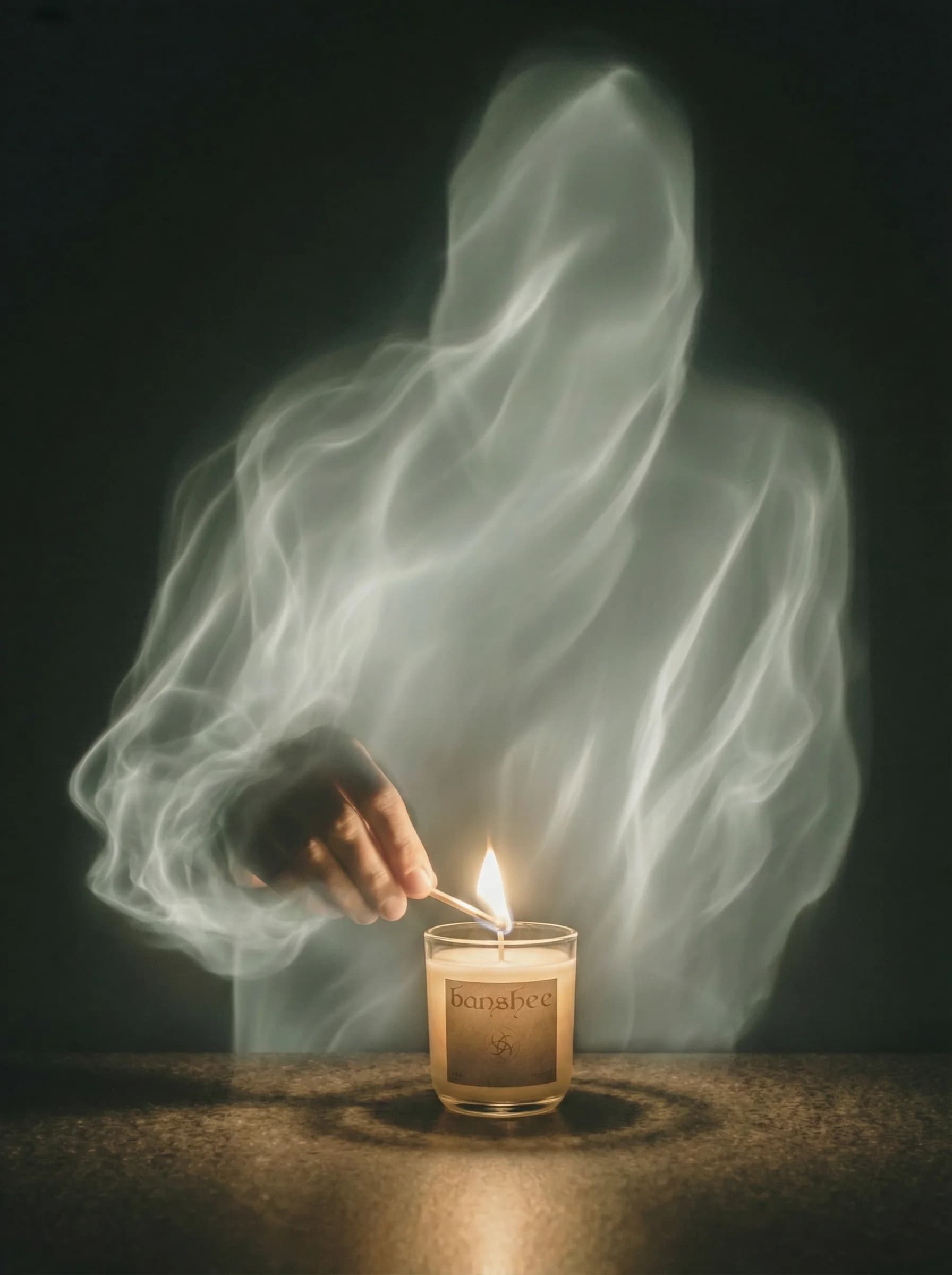
There is a difference between a place you arrive at and a place you return to.
Arrival is sharp. It demands attention. New ground, new air, new stimuli, the slight lean forward of a body that does not yet know where the light switches are. You are listening with more of yourself.
Return is the opposite. The room is already known. The light through the window has been there before. The chair holds the shape of every other evening you have sat in it. What return asks for is not attention. It asks to be met.
Most days end in return.
Whatever the day held — whatever was carried, whatever came home with you — there is a room, and you are in it. The hour is yours. You are no longer accountable to anyone else's schedule. The next thing that happens is whatever you decide will happen.
It is, in its small domestic way, a threshold.
The crossing in between
Every culture has given that crossing a different shape. Tea. Ablution. A walk. The lighting of a lamp. The pouring of a drink. The first quiet music after a noisy day. What they share is the gesture: a small repeated act that says, this is where the day changes, and I am stepping across.
These are not productive acts. They do not make anything, fix anything, or earn anything. Their entire function is to mark the crossing.
A candle is one of those gestures.
When it lights, the room changes scale. The walls move closer. The corners darken. The air carries something it didn't carry a moment ago — vetiver, sage, smoke, iris, depending on what was lit. The room becomes a different version of itself.
You become a different version of yourself.
What scent actually does
Scent is the only sense that bypasses thought. It does not ask you to interpret. It returns you. To the kitchen of a house you no longer live in. To a winter you forgot you remembered. To the shape of a person you used to be.
A return inside a return.
The scientist Rachel Herz, who has spent her career studying the relationship between smell and memory, once described scent as the only sense without a translator. Sight passes through interpretation. Sound passes through language. Scent goes directly to the parts of the brain that do not use words — the parts that hold, without explanation, what something felt like the first time.
This is why scent is so disproportionately powerful in small doses. A single quiet note can move you further than a whole orchestra of louder ones, because the moving is happening in a place that was never built for argument.
What we make these for
We make four fragrances. They are not designed for the morning. They are not designed for the office or the car or the bright middle of a day.
They are designed for the hour when the rest of the world quiets and the house becomes the only room.
Mist is for the doorway, the moment of coming in. Veil is for the time before sleep, the room thinned out by tiredness. Peat is for the hour after dinner, when the day has stopped asking for anything. Lament is for the late one — the evening that ends differently from how it began.
Each is a way of marking the threshold. Each is a way of saying: I am here now, and this is the room I have come back to.
The room knows the difference.